


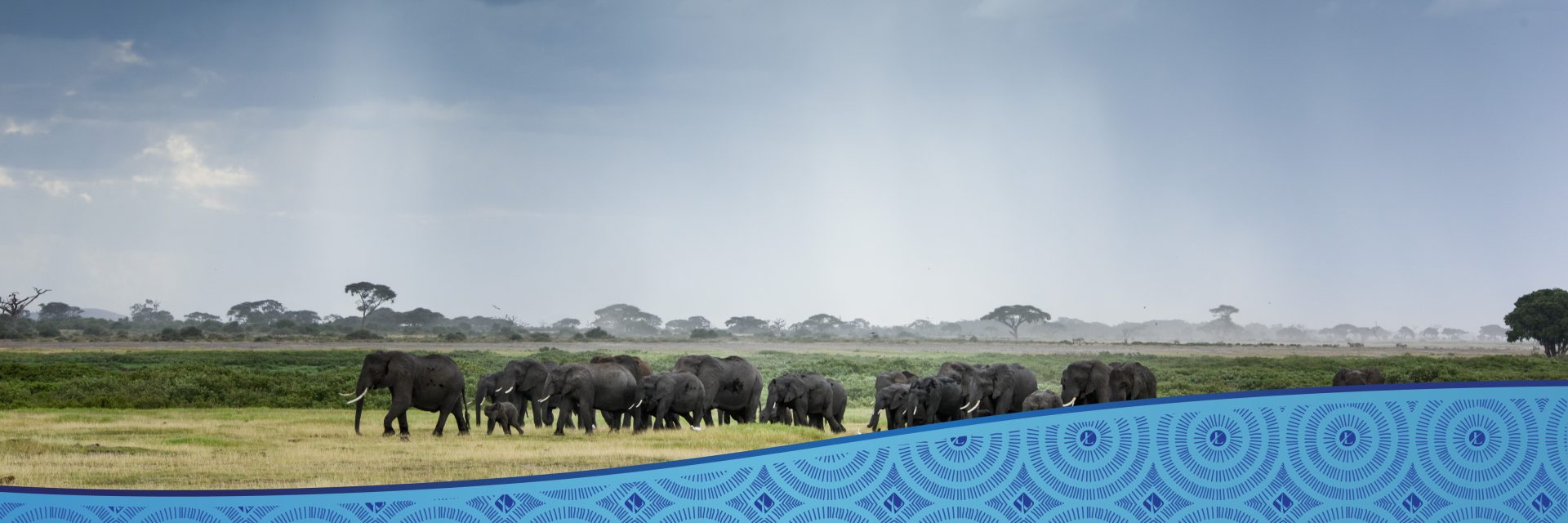
30 Mar Week 6 in our biome series: Lessons from the Savannah
In a single season, grass grows tall enough to hide a herd and a few months later has dries back to brittle stalks again. Herds migrate across vast distances, followed by stalking predators. Every so often, fire sweeps through and resets the land.
Nothing stays the same for very long.
It is a system defined by cycles and seasons, one following the other. Periods of abundance are followed by scarcity, and growth is followed by recovery. Competition exists together with coexistence and cooperation. One season feeds the next.
The savanna survives because its forces keep each other in balance.
With too many predators, the herds collapse. On the other hand, too many grazers strip the grasslands, leaving the precious soil exposed to erosion and, if left unchecked, ultimately destroys the entire biome. The health of the savanna lies in the dynamic and balanced relationship between its forces.
Many learning environments operate in similar cycles.
Compliance seasons arrive with audits and reporting, and like droughts on the savanna, they eventually pass as well, but not without significant pressure. Academic years begin and end in a chaos of last-minute submissions and eventual graduation. Budgets come and go, and every year the squeeze feels tighter.
There is also ever-present competition. Students compete for placement; staff for promotion, and departments compete for attention, which often equates to a slice of the budget, with the winning departments fiercely guarding their territory.
All while IT, HR, compliance and leadership pull in different directions when it comes to big tech decisions!
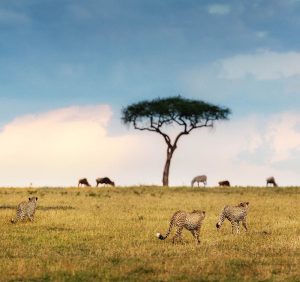
Then there are the keystone species.
On the savanna, elephants push over trees and prevent woody encroachment, lions regulate herbivore populations and protect the soil from overgrazing, and termites change soil chemistry and support plant diversity. Each, in their own way, sustains the biome in critical ways. None of them runs the ecosystem alone, but remove one of them and the balance changes quickly.
At many institutions, certain individuals act like keystone species: the strong administrator, the visionary leader, the committed instructional designer. Remove them, and the ecosystem shifts.
Most learning platforms have their own versions of these keystone species.
There’s usually a quietly brilliant administrator who knows exactly why the reporting works the way it does – the sort of person people call when the dashboard says 73% completion and the course report says 42%.
A learning designer who understands how courses should actually be structured and stops every new course from becoming a slightly less engaging and more robotic interpretation of the last one.
Occasionally, a leader arrives who sees the bigger picture and keeps the system moving in roughly the same direction, even when several departments are enthusiastically pulling it in different ways.
Learning ecosystems like the savanna are at once fragile and dynamic, and require a carefully calibrated balance.
Too much autonomy and the platform fragments into silos. Too much central control and innovation stalls. Too many plugins and instability creeps in. Too little governance and decay sets in. Too much governance and resistance appears just as quickly.
From watching the savanna, we realise that healthy ecosystems aren’t about one force winning or perfect order. Instead, they’re all about balance. The system works because these different pressures and tensions hold each other in check.
Learning environments are much the same.
The goal isn’t to eliminate every tension. It’s to keep competing forces in productive balance through deliberate and strategic design decisions. Enough freedom for people to experiment. Enough structure to keep the system usable. Enough governance to keep things stable, but not so much that everything slows to a crawl.
Balance rarely happens by accident. It usually appears when someone is paying attention to how the system is behaving as a whole.
In your learning ecosystem, where is the pressure building? And who – or what – is quietly currently holding the balance together?
By Dr Isabel Tarling